
Heel pain slowing you down? Physiotherapy, exercise, shockwave therapy, and injections can help alleviate plantar fasciitis, allowing you to move comfortably again.
What is it?
Plantar fasciitis is one of the most common causes of heel pain, affecting 4-7% of the population. The plantar fascia is a strong band of tissue under your foot that supports your arch. When it becomes irritated, it causes sharp heel pain, which is often worse in the morning or after prolonged periods of standing.
Who does it affect?
PHP predominantly affects sedentary middle- aged and older adults, and is estimated to account for 8.0% of all injuries related to running, especially with sudden mileage increases. A few other factors that may contribute to the causation of heel pain include individuals with flat feet or high arches, occupations that involve prolonged standing (such as teaching, factory work, and healthcare staff), and a higher body mass index.
How physiotherapy can help
Exercise therapy is considered the primary approach for managing plantar heel pain.
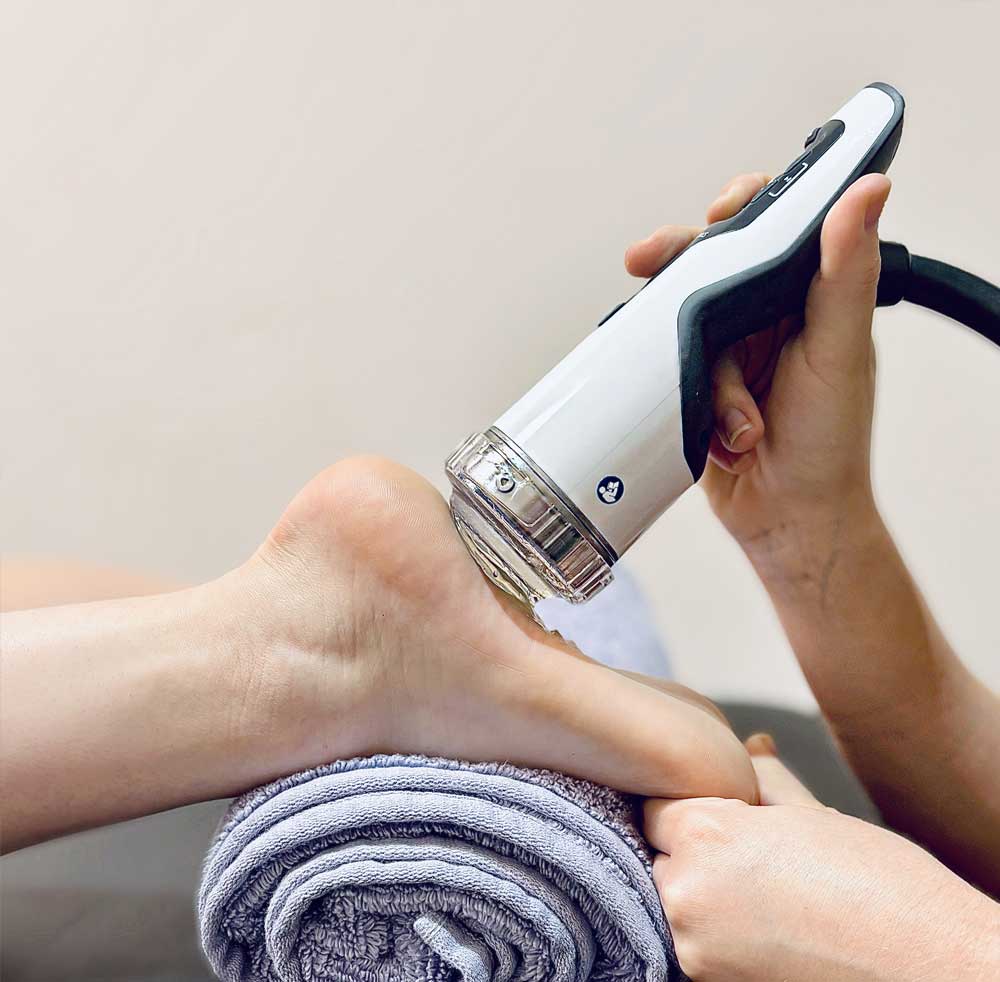
Shockwave therapy is considered the best modality available to manage plantar heel pain. It facilitates tissue healing and improves tissue tolerance.
An ultrasound scan can help confirm the diagnosis and examine specific portions of the fascia, as well as check for any other injuries, including tears.
Ultrasound-guided dry needling, steroid, and analgesic injections may provide relief in the short term, especially in stubborn cases where a conservative approach, including exercise therapy, has failed.
Other physio treatments:
- Taping or orthotic advice to support the arch.
- Manual therapy to improve ankle mobility.
- Advice on footwear and activity modification.
Take-home message
Plantar heel pain can linger if left unaddressed, but with targeted physiotherapy, supportive treatments, and the right footwear choices, most people can return to pain-free activity.
References
Morrissey D, Cotchett M, Said J’Bari A, et al. Br J Sports Med Epub ahead of print: [please include Day Month Year]. doi:10.1136/ bjsports-2019-101970
Schneider HP, Baca JM, Carpenter BB, et al. American College of Foot and Ankle Surgeons clinical consensus statement: diagnosis and treatment of adult acquired infracalcaneal heel pain. J Foot Ankle Surg. 2018 Mar-Apr;57(2):370-81
Tsai WC, Hsu CC, Chen CP, et al. Plantar fasciitis treated with local steroid injection: comparison between sonographic and palpation guidance. J Clin Ultrasound. 2006;34:12-16.