
Massage Therapy

Massage Therapy London
Rejuvenate Your Body, Relieve Your Pain
Massage tissue therapy encompasses a range of hands-on techniques to treat muscles, tendons, ligaments, and fascia. At our clinic, we combine these methods in a personalised, evidence-based approach to support your recovery, performance, and long-term musculoskeletal health, whether you’re an athlete or simply looking to feel and move better.
Types of Massage
Sports Massage
Deep Tissue Massage
Muscle Energy Techniques (METs)
Pregnancy Massage
Lymphatic Drainage Massage
A gentle, specialised technique that supports the body’s lymphatic system. Reduces swelling and fluid retention, boosts circulation and immune function, and Is Helpful after surgery or for managing ongoing swelling conditions.

Instrument Assisted Soft Tissue Mobilisation (IASTM)
Pre & Post-Event Treatment Plans
Post-Surgery Scar Treatment
Remedial Treatment
Soft Tissue Therapy Can Help To
Below are the ways soft tissue therapy can benefit you, with a touch of explanation so you and your patients understand how: .
Enhance training and recovery
By reducing muscle tension, improving circulation, and promoting faster healing. Techniques such as massage, myofascial release, and trigger point therapy help alleviate soreness, break down tight areas, and speed up recovery time.
Improve flexibility
By releasing tight or restricted areas and breaking down adhesions. Soft tissue work allows for an increased range of motion and smoother movement.
Prevent injury
Through regular maintenance of muscle health, correcting imbalances, and increasing tissue resilience. This helps lower the risk of sprains, strains, and overuse injuries.

Reduce anxiety & stress
By stimulating the parasympathetic (rest-and-digest) nervous system, lowering cortisol levels, and increasing the production of “feel-good” neurochemicals like endorphins and serotonin.
Boost performance
By optimising muscle function, improving movement patterns, and reducing restrictive tightness so you can train harder, move more efficiently, and recover better between sessions.
Relieve migraines and headaches
Reduce fatigue
Alleviate swelling
Through techniques that stimulate lymphatic drainage and improve fluid circulation. This therapy helps reduce excess fluid accumulation and inflammation, particularly after injury or surgery.
Reduce muscle tension
By applying methods such as deep tissue massage, myofascial release, and trigger point work to relax tight muscles and break down adhesions, promoting more unrestricted movement and comfort.
What to expect in your first session
At your initial appointment, your therapist will take a detailed history and assess your movement, tissue tone, posture, and pain patterns. From that, they’ll design a personalised treatment plan, selecting the techniques that best suit your anatomy and goals. As you progress, we’ll reassess and refine the approach to support your recovery, performance, or pain relief journey.
Book an Appointment
Your Clinicians

Ricky Evans
Rehab Trainer, Strength & Conditioning Coach, Massage Therapist, Shockwave Therapist
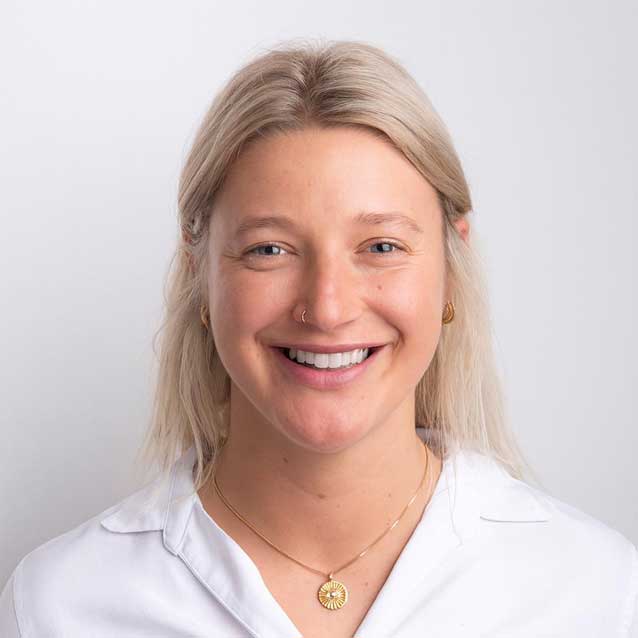
Alice Southwood
Physiotherapist (MSc)(BSc)(HCPC)

Michaela Drobig
Physiotherapist (MSc)(BSc)(HCPC)