
Acromioclavicular Joint Pain
Guided Injections.
AC Joint Pain: Ultrasound-Guided Injections for Effective Relief
Acromioclavicular (AC) joint pain is a common cause of shoulder discomfort, often resulting from arthritis, trauma, or repetitive overhead movements. If conservative treatments such as physiotherapy and painkillers are not providing sufficient relief, ultrasound-guided corticosteroid injections may be an effective treatment option for you.
This article explores AC joint injections, their benefits, procedures, and scientific backing to help you make an informed decision.
Understanding AC Joint Pain
The AC joint connects the clavicle (collarbone) to the acromion of the scapula (shoulder blade). Overuse, injury, or osteoarthritis can cause inflammation and pain in this joint.
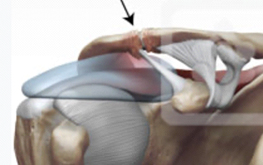
What are the common symptoms?
- Osteoarthritis (changes in the cartilage)
- Trauma (such as falls or direct impact onto the ACJ)
- Repetitive overhead activities (weightlifting, throwing sports)
- AC joint sprains or separations
Symptoms Include:
- Localised pain at the top of the shoulder
- Pain when reaching across the body or lifting objects
- Swelling and tenderness over the joint
- Clicking or grinding sensations
Ultrasound-Guided Corticosteroid Injections for AC Joint Pain
Corticosteroid injections are commonly used to reduce inflammation and relieve long-lasting AC joint pain. Using ultrasound guidance ensures precision, improving effectiveness and reducing risks.
Benefits of Corticosteroid Injections
- Fast-acting pain relief (within days)
- Reduces joint inflammation and swelling
- Enhances physiotherapy outcomes by minimising discomfort
- Minimally invasive alternative to surgery
How Long Does Pain Relief Last?
Relief varies depending on the severity of AC joint dysfunction and individual response to treatment. Typically, pain relief lasts from a few weeks to several months.
Potential Side Effects
Corticosteroid injections are generally safe with minimal risks. Possible side effects include:
- Temporary soreness at the injection site
- Mild swelling or bruising
- Rarely, skin thinning at the injection site
When Should Surgery Be Considered?
If injections and physiotherapy fail to provide long-term relief, surgery may be considered for severe AC joint osteoarthritis or chronic instability. Consultation with a specialist is recommended.
Treatment options
Guided Corticosteroid Injections
Your Clinician


BSc Physiotherapy MSCP (Hons)
PGCert Independent Medical Prescriber
PGCert Soft Tissue and Joint Injection Therapist
PGCert Diagnostic Ultrasound
References
Ayub, S., Kaur, J., Hui, M., Espahbodi, S., Hall, M., Doherty, M., & Zhang, W. (2021). Efficacy and safety of multiple intra-articular corticosteroid injections for osteoarthritis—a systematic review and meta-analysis of randomized controlled trials and observational studies. Rheumatology, 60(4), 1629-1639
Zhang, Y., Hu, M., Wei, J., Su, C., Guo, C., Xiang, S., & Xu, H. (2024). Ultrasound‐Versus Landmark‐Guided Corticosteroid Injections in Patients With Shoulder Pain: A Meta‐Analysis and Systematic Review. Journal of Clinical Ultrasound.
Coombes, B. K., Bisset, L., Vicenzino, B. (2010). “Efficacy and safety of corticosteroid injections for tendinopathy: a systematic review.” The Lancet, 376(9754), 1751–1767.
Ali, Z., Sharma, S., Ain, S., & Ain, Q. (2025). Recent Advances in Osteoarthritis: Pathophysiology, Diagnosis, and Therapeutic Strategies. Cuestiones de Fisioterapia, 54(2), 787-811.
Arroll, B., & Goodyear-Smith, F. (2005). Corticosteroid injections for painful shoulder: a meta-analysis. British Journal of general practice, 55(512), 224-228.